
Let’s talk about satin paint vs. matte paint without the noise. This choice comes up on almost every interior project, and the wrong pick shows up fast. Too shiny in the wrong room, or too flat where walls get touched every day, and the finish works against you.
If you have ever stood in a room thinking the color looked right but something still felt off, sheen was likely the reason. Below is a straight, practical breakdown of satin paint vs. matte paint, written for real homes, real lighting, and real wear.
Key Takeaways:
- Satin paint vs. matte paint affects how light moves across your walls, changing how color looks throughout the day.
- Satin paint handles traffic and cleaning better, which makes it a strong fit for hallways, living areas, and busy rooms.
- Matte paint hides wall flaws more easily, helping soften older surfaces or patched drywall.
- Wall condition and lighting matter just as much as color, especially when choosing between satin paint vs. matte paint.
- Using different sheens by room often delivers better results than trying to use one finish across the entire home.
Why Paint Sheen Matters More Than Most People Expect
Color gets the attention, but sheen controls how that color behaves on the wall. Light reflection, surface texture, and how well marks show all come down to sheen.
When comparing satin paint vs. matte paint, the difference is not subtle once the paint is on the wall. One reflects light and movement. The other absorbs it and softens the room.
This is also why sheen decisions should happen before final color selection. The same color looks different in satin than it does in matte, especially once lighting comes into play. That question of tone shift ties closely to whether paint dries darker or lighter, which matters when sheen changes how light bounces across the surface.
Satin Paint Explained In Plain Terms
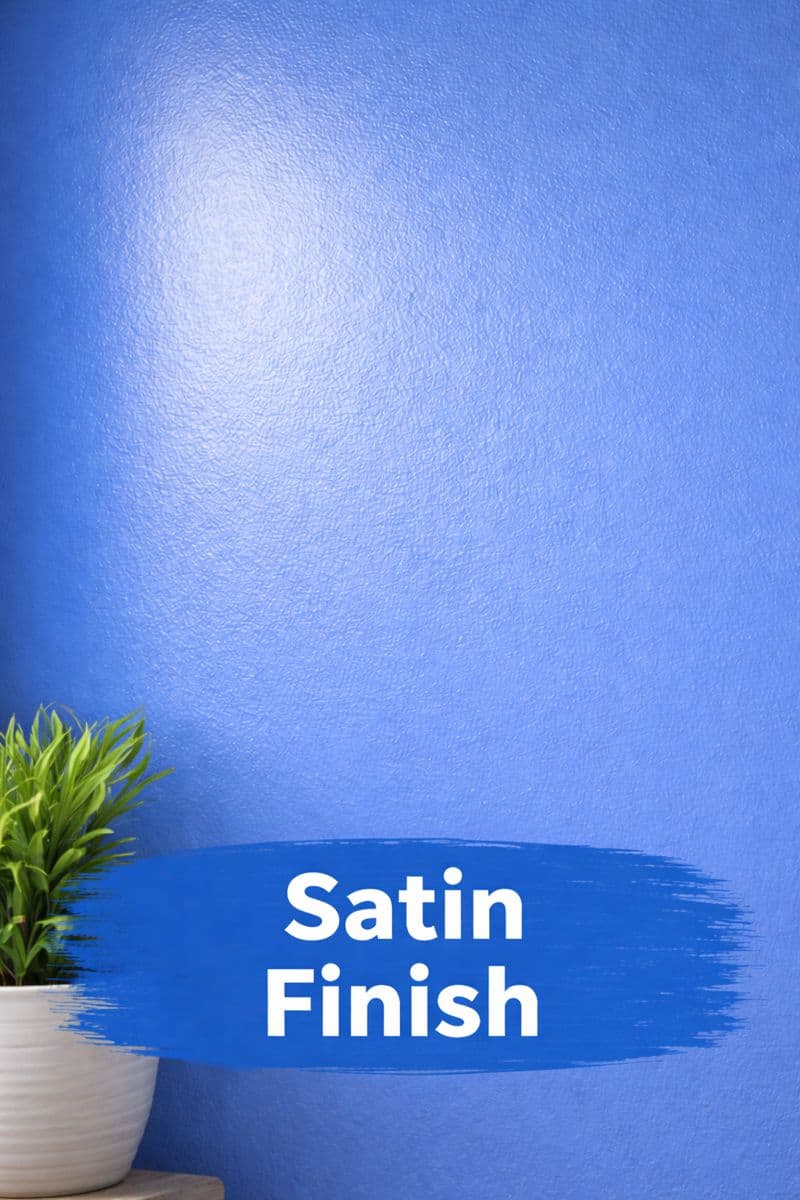
Satin paint sits in the middle of the sheen range. It has a soft glow without looking glossy, and it reflects enough light to feel clean and finished.
You will notice satin paint most in rooms that see activity. It holds up better when walls get brushed, bumped, or cleaned.
Where Satin Paint Works Best
Satin paint makes sense in spaces where durability matters but you still want a smooth appearance.
Common examples include:
-
Hallways and stairways
-
Living rooms with frequent use
-
Kids’ bedrooms
-
Entry areas
-
Kitchens outside of heavy splash zones
Because satin reflects more light, it helps brighten larger rooms or spaces with moderate natural light.
What Satin Paint Shows That Matte Does Not
This is where satin paint vs. matte paint becomes a tradeoff. Satin highlights surface details. That includes good prep work and flaws.
Satin tends to show:
-
Uneven drywall patches
-
Roller lines
-
Orange peel texture
-
Paint runs if the application is rushed
That is why surface preparation matters more with satin finishes. Walls that are smooth and well-prepped benefit from the added light reflection.
Matte Paint And Why It Still Has A Place

Matte paint has little to no sheen. Light does not bounce off it much, which creates a softer, calmer look.
This finish is often chosen for visual comfort rather than toughness. Matte paint reduces glare and minimizes distractions on the wall.
Where Matte Paint Makes Sense
Matte paint works well in rooms where walls are not constantly touched or wiped down.
Typical uses include:
-
Bedrooms
-
Dining rooms
-
Formal living spaces
-
Ceilings
-
Older homes with repaired drywall
Because matte absorbs light, it hides imperfections better than satin. That makes it helpful when walls have patches or texture that cannot be fully corrected.
This also connects to different paint sheen choices overall, since matte sits at the lowest end of reflectivity and behaves very differently than mid-sheen options.
The Tradeoff With Matte Paint
Matte paint is less forgiving once life happens. Scuffs, fingerprints, and marks tend to show, and cleaning can leave visible spots.
That is why matte is usually avoided in busy areas or rooms where walls get wiped often. It looks great when left alone, but it does not love constant contact.
Appearance In Satin Paint vs. Matte Paint
Appearance is where most people first notice the difference between satin paint and matte paint.
Satin Paint Appearance
-
Soft glow under lighting
-
Adds depth and dimension
-
Reflects windows, fixtures, and movement
-
Makes colors feel cleaner and crisper
Satin can make a room feel brighter, especially when paired with lighter colors.
Matte Paint Appearance
-
Flat, muted finish
-
Softens bold colors
-
Reduces glare
-
Makes walls feel calmer
Matte paint is often chosen when the goal is subtlety rather than brightness.
Durability And Long-Term Wear
Durability is a major deciding factor when comparing satin paint vs. matte paint.
Satin Paint Durability
Satin paint contains more binders, which gives it flexibility and strength. That means it resists scuffs better and handles cleaning more reliably.
This makes satin a smart choice in homes with kids, pets, or frequent visitors.
Matte Paint Durability
Matte paint does not resist wear as well. Marks show faster, and aggressive cleaning can damage the finish.
It performs best in areas where walls are rarely touched and traffic stays light.
Cleaning And Maintenance Differences
Cleaning habits should guide sheen choice just as much as appearance.
Satin paint allows for gentle cleaning without leaving visible marks. Most smudges can be wiped without changing the look of the wall.
Matte paint can be cleaned lightly, but repeated wiping often leaves shiny patches. Once that happens, the wall looks uneven, even if it is technically clean.
This is why proper surface prep matters from the start. A wall that is correctly prepared holds paint better long term. That process is closely tied to prep a room for painting, since what happens before paint goes on affects how it performs afterward.
Texture And Feel On The Wall
Texture is another difference people notice once the paint dries.
-
Satin paint feels smoother and slightly slick.
-
Matte paint feels soft and chalky to the touch.
Darker colors in matte can create a rich, velvety look. Satin dark colors reflect more light and can feel bolder or sharper.
Lighting plays a big role here. Rooms with lots of windows exaggerate sheen differences, while low-light spaces soften them.
Cost Differences Between Satin Paint And Matte Paint
Price differences exist, but they are usually small compared to labor and prep costs.
Matte paint is typically less expensive per gallon than satin paint. The reason is simple. Lower sheen requires fewer additives.
However, material cost alone should not drive the decision. Choosing the wrong sheen often leads to repainting sooner, which costs far more than a few dollars saved upfront.
For larger projects, using a paint calculator helps estimate material needs accurately and prevents overbuying or shortages.
Choosing The Right Sheen Room By Room
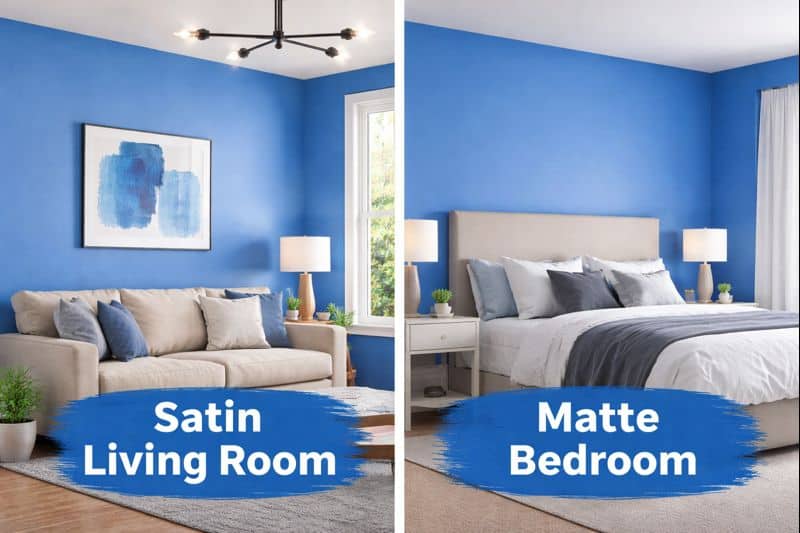
Rather than picking one finish for the entire house, many homes benefit from mixing sheens.
Here is a practical approach:
-
Use satin paint in rooms with movement, traffic, or frequent cleaning.
-
Use matte paint in rooms focused on comfort and appearance.
-
Always consider lighting direction and wall condition.
This approach keeps each space working the way it should without forcing a one-size-fits-all decision.
Color choice also plays into sheen performance. Some tones react strongly to light reflection. That is where choosing interior paint colors becomes part of the same conversation, not a separate step.
Common Mistakes When Comparing Satin Paint vs. Matte Paint
A few missteps show up often during consultations.
-
Picking sheen based on color sample alone
-
Ignoring wall condition
-
Using matte in high-traffic areas
-
Using satin on poorly prepped surfaces
-
Choosing sheen before considering lighting
Avoiding these issues saves time, money, and frustration later.
How Our Process Handles Satin Paint vs. Matte Paint Decisions
At Premium Painting, sheen selection is not an afterthought. It is part of the planning phase.
Our expert painters in Ocala, FL look at:
-
Wall condition and repair history
-
Natural and artificial lighting
-
How each room is used
-
Desired look and maintenance expectations
From there, we match the right finish to the right space. Prep work is handled carefully so the chosen sheen performs the way it should once applied.
Final Thoughts On Satin Paint vs. Matte Paint
Choosing between satin paint vs. matte paint is about how you live in your home, not just how it looks on day one. Satin offers durability and light reflection. Matte delivers softness and forgiveness on imperfect walls. Both have a place when used with intention.
When the right sheen is paired with the right room, the space feels finished instead of forced. That balance comes from planning, surface prep, and understanding how light and traffic affect paint over time.
If you want help deciding what works best for your home, Premium Painting serves Ocala, Summerfield, The Villages and the surrounding areas.
Call us at 352-660-7820 for a FREE estimate and clear guidance that fits your space.