

How long does interior paint last when a home has cooled air, busy living spaces, and rooms that collect moisture? A useful starting point is roughly five to seven years, but that is not a deadline. Some finishes remain attractive longer, while others show problems earlier.
In Summerfield, FL, we encourage homeowners to think about what their paint has been exposed to, not just the date it went on the wall. A coating that is still sound may only need cleaning, while repeated staining, peeling, or damaged drywall may call for more than another coat of paint.
What Does a Five-to-Seven-Year Paint Lifespan Actually Mean?
A five-to-seven-year estimate describes when homeowners might start assessing an interior finish. It does not mean the coating suddenly stops working after a particular anniversary. Premium Painting uses this general range on its interior service page, with the reminder that wall condition and use can change the timing.
A paint film can still be firmly attached even when its color is less appealing. Conversely, peeling paint on a recently finished wall can signal a moisture or adhesion problem that needs attention well before the usual repainting window.
The practical question is whether the existing coating is protecting and covering the surface as intended, and whether its appearance still suits the room. Those are separate judgments.
Separate Cosmetic Aging From a Coating Problem
Not every older-looking wall is failing. A color that no longer fits your furniture is a design decision. A faded patch near a sunlit window is an appearance concern. Loose or blistered paint is a coating problem that calls for an explanation before repainting.
Check how firmly the finish holds, whether the surface is chalking or flaking, and whether dark marks return after careful cleaning. Do not scrape or sand older coatings of unknown composition without checking for lead-paint requirements, particularly in homes built before 1978.
For homeowners changing a color rather than correcting damage, our guide to creating a cohesive color scheme in Summerfield offers a useful next step.
Why Bathrooms and Laundry Areas Need Their Own Assessment
Summerfield has a warm, humid outdoor climate, but the relevant question for interior paint is what happens inside the room. Bathroom showers, laundry equipment, poor exhaust ventilation, and water leaks can create moisture exposure even in an air-conditioned house.
Condensation collecting repeatedly on a ceiling or wall can contribute to staining, mildew, or peeling. Painting over a recurring water problem may hide it briefly but will not remove the cause. Fix leaks and ventilation issues, and address any mold problem appropriately before coating the area.
This does not mean every bathroom needs repainting on a short schedule. A well-ventilated room with an appropriate coating can remain in good condition for years.
When Washing a Wall Tells You More Than Its Age
In a kitchen, breakfast nook, or frequently used entry, the test may be whether normal cleaning restores the surface. An older but washable finish can still look good after gentle maintenance. A finish that burnishes, loses sheen, or holds stains may no longer meet the household’s needs.
Always test a small hidden area with a cleaner approved for the existing coating. Hard scrubbing and abrasive products can damage some finishes, creating a new problem rather than fixing the mark.
If the damage is confined to one spot, read our guide on touching up wall paint without a visible patch before deciding to paint an entire room.
Does Florida Sunlight Shorten the Life of Interior Color?
Strong daylight entering through glass can cause some paints and pigments to change in appearance over time. But the degree of fading depends on the exact coating, window glazing, exposure, and how the room receives light. It cannot be predicted from the city alone.
Compare exposed walls with places normally shaded by artwork or furniture. If the shade difference is visible across the room, painting just the damaged spot may not match an aged finish.
The Sherwin-Williams guide to fading discusses sunlight exposure as one possible cause of color loss. If you want a new color, test it in the room’s actual daytime and evening lighting before committing.
Good Preparation Matters More Than Adding Paint Over Damage
When paint fails early, another coat is not automatically the solution. Dust, greasy residue, loose old coatings, or unsealed repairs can affect how new paint adheres. The correct preparation depends on what is on the surface and what needs repair.
Primer is also a surface-specific decision. Bare drywall, patched areas, stains, and certain existing finishes may need a suitable primer, while clean, sound, compatible walls may not require a full prime coat.
For more detail, see our article explaining the role of paint primer. When repainting a lived-in home, matching preparation and coating products to the actual surface is more useful than following a fixed coat-count rule.
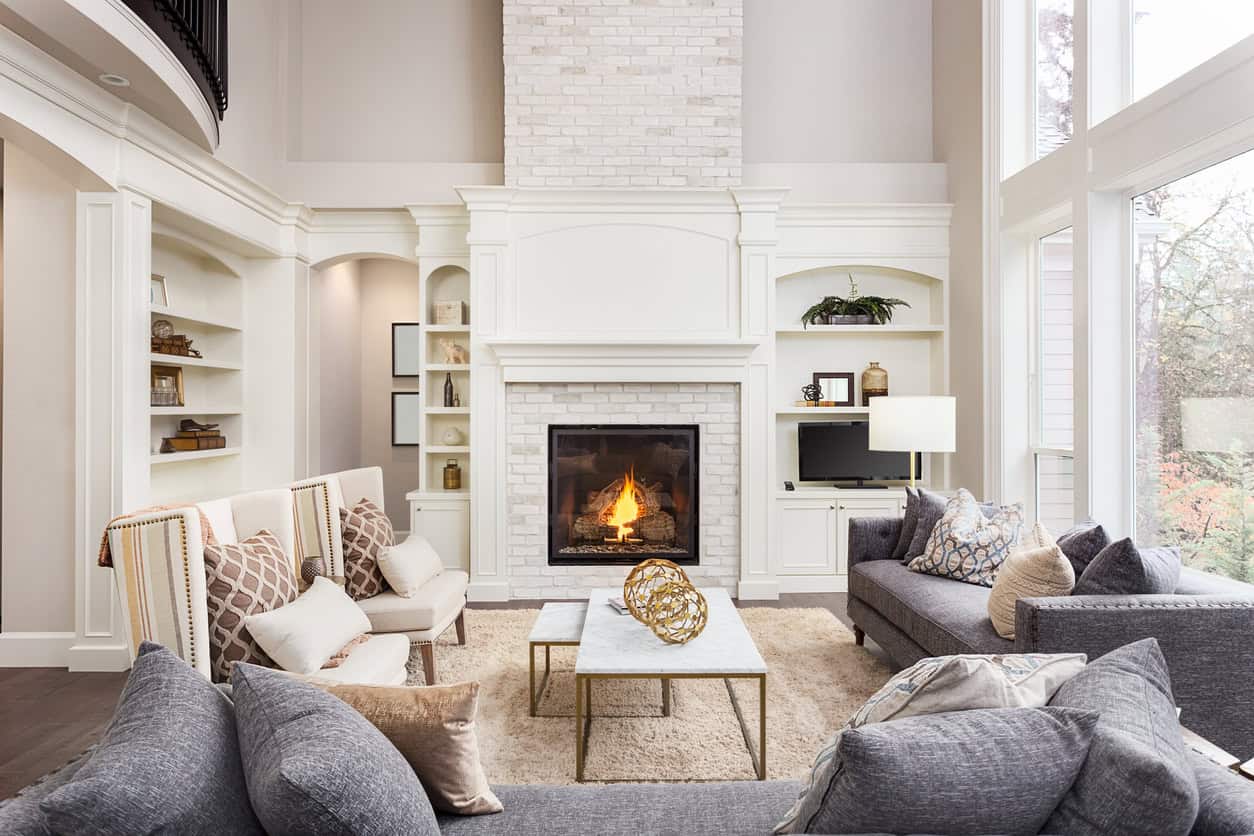
Decide Whether the Project Is One Wall, One Room, or More
If a single wall has scuffs but the others are clean, repainting that wall may be enough. If several surfaces have noticeable color differences, stains, or repairs, a full-room repaint can give a more consistent appearance. In either case, matching an older color and sheen is not guaranteed.
A whole-home project can make sense when you are coordinating colors across several rooms or completing a larger renovation. It should not be required simply because every room was painted in the same year.
Premium Painting offers interior house painting that includes walls, ceilings, trim, drywall repair, preparation, and color consultation. We can discuss the scope that fits the surfaces instead of assuming everything must be repainted.
How Premium Painting Approaches Summerfield Interiors
Our team serves Summerfield and the Greater Ocala area, with interior painting work that includes walls, ceilings, trim, and surface preparation. We protect furniture and floors during the project and review color and finish choices with homeowners.
When existing paint is peeling, stained, or uneven, the first step is understanding the surface condition. We can then discuss preparation, repairs, product options, and the areas you want included in the estimate.
You can find the local service information on our Summerfield painting page or use our contact form to request a written estimate.
Frequently Asked Questions
Can interior paint last longer than seven years?
Yes. Paint in a lightly used room can remain sound and attractive beyond seven years. The finish, preparation, cleaning, sunlight, and moisture exposure determine whether repainting is necessary.
Does Florida humidity automatically make indoor paint fail sooner?
No. Outdoor humidity is not the same as the conditions on an indoor wall. Persistent condensation, leaks, and poor ventilation can damage coatings, but a well-controlled indoor space may not have those problems.
Should peeling paint be painted over?
No. Loose material and the cause of peeling should be addressed first. If water is involved, correct the source and allow the surface to reach suitable conditions before choosing the repair and coating system.
Can I repaint one wall without repainting the whole room?
Often, yes. A full-wall repaint to natural corners can look more consistent than scattered touch-ups. Whether it matches adjacent walls depends on the age, fading, sheen, and original color.
How can I find out whether my walls need new paint?
Look for widespread stains, loss of adhesion, visible color differences, and wear that cannot be corrected through appropriate cleaning. Premium Painting can review your Summerfield interior and discuss which areas should be included in an estimate.
